





Home
>
Bloggers' Appliance Corner
>
Dishwasher: Why Limescale Buildup Is Harmful and How to Prevent It

Dishwasher: Why Limescale Buildup Is Harmful and How to Prevent It
Dishwasher: Why Limescale Buildup Is Harmful and How to Prevent It
Home appliances play a crucial role in modern life, enhancing the quality of life in households across the globe. From refrigerators to dishwashers, these appliances simplify daily tasks and save valuable time, allowing individuals to focus on other activities. When well-maintained, appliances contribute to a comfortable and efficient living environment.
The Impact of Limescale Buildup in Dishwashers
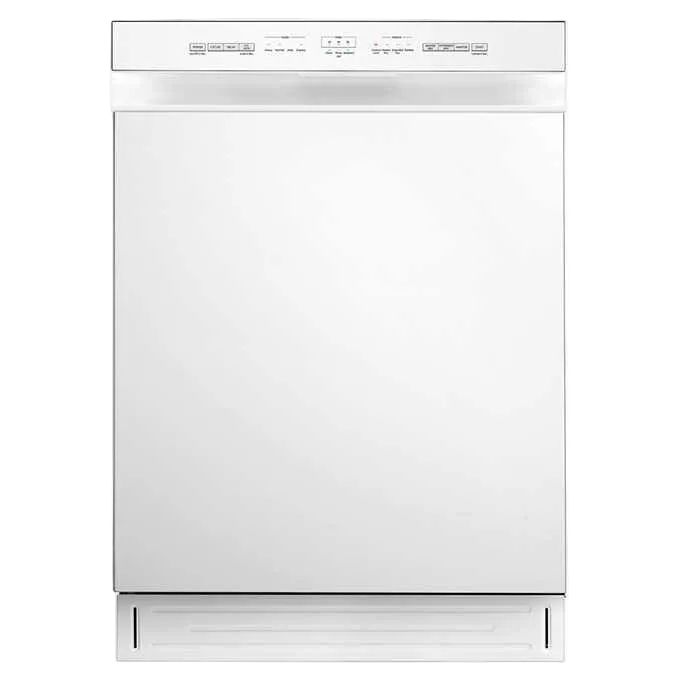
Limescale, also known as calcium carbonate, can accumulate in dishwashers over time. This buildup can lead to various issues that affect the appliance's performance and longevity. Some of the harmful effects of limescale in dishwashers include:
- Reduced Cleaning Efficiency: Limescale buildup can interfere with the dishwasher's spray arms and filters, leading to reduced cleaning efficiency. This can result in dishes not being properly cleaned and sanitized.
- Increased Energy Consumption: A dishwasher with limescale buildup may need to work harder to achieve the desired results, leading to increased energy consumption and higher utility bills.
- Damage to Components: Limescale can damage the internal components of the dishwasher, such as heating elements and pumps, potentially leading to costly repairs or the need for premature replacement.
- Unpleasant Odors: Limescale buildup can trap food particles and soap scum, creating an environment where mold and bacteria thrive. This can cause unpleasant odors to develop in the dishwasher and transfer onto dishes.
Preventing Limescale Buildup in Dishwashers
Fortunately, there are several steps you can take to prevent limescale buildup in your dishwasher and ensure its optimal performance:
- Use a Water Softener: Installing a water softener can help reduce the hardness of water, preventing limescale buildup not only in your dishwasher but also in other appliances and plumbing fixtures.
- Regularly Clean the Dishwasher: Clean the dishwasher's spray arms, filters, and seals regularly to remove any limescale deposits and debris that may have accumulated.
- Use Vinegar: Running a cycle with white vinegar can help dissolve limescale and remove mineral deposits from the dishwasher's interior. Simply pour a cup of vinegar into a dishwasher-safe container and place it on the top rack before running a hot water cycle.
- Choose the Right Detergent: Use a detergent specifically formulated for hard water to prevent limescale buildup and achieve optimal cleaning results.
By taking proactive measures to prevent limescale buildup in your dishwasher, you can ensure its efficient operation and prolong its lifespan. Remember that regular maintenance not only improves the performance of your appliances but also saves you time and money in the long run.
Explore the range of dishwasher options available to find a model that suits your needs and preferences. Making an informed decision when purchasing a new appliance can greatly impact your daily routine and overall satisfaction. Stay tuned for more tips and recommendations on appliance care and home lifestyle by following our blog.