Bloggers' Appliance Corner

Bloggers' Appliance Corner

What to Do When Your Air Conditioner Cools Too Much

Joseph Rimas.Jul 01, 2023
We will discuss a common problem with air conditioning units: when they cool too much. While it may seem counterintuitive to complain about excessive cooling, an overly cold environment can be uncomfortable and even wasteful. We will explore the causes behind this issue and provide practical solutions to help you achieve a comfortable indoor climate.   Understand the Causes: To address the problem of excessive cooling, it's important to understand the potential causes. Some common factors include: Incorrect Thermostat Settings: Check if your thermostat is set too low or if it's in "cool" mode instead of "auto" mode. Dirty Air Filters: Clogged air filters restrict airflow, causing the AC unit to work harder and cool excessively. Regularly clean or replace your air filters. Refrigerant Levels: An overcharged or undercharged refrigerant can lead to imbalanced cooling. Consult a professional to assess and adjust the refrigerant levels.   Optimize Your Thermostat Settings: To maintain a comfortable temperature, ensure your thermostat is set correctly. Consider the following tips: Set the Temperature Moderately: Aim for a temperature around 72-76 degrees Fahrenheit (22-24 degrees Celsius) for optimal comfort. Utilize Programmable Thermostats: Programmable thermostats allow you to schedule temperature adjustments throughout the day, optimizing energy usage. Use Fan Mode: When the desired temperature is reached, switch the thermostat to fan mode to circulate cool air without additional cooling.   Maintain Your Air Conditioning System: Regular maintenance is essential to prevent cooling issues. Here are a few maintenance tips: Clean Air Filters: Clean or replace air filters every 1-3 months, depending on usage. Check Air Ducts: Ensure that air ducts are properly sealed and insulated to prevent cool air leakage. Schedule Professional Maintenance: Hire a licensed technician to inspect your AC unit annually. They will clean coils, check refrigerant levels, and address any potential issues.   Use Supplementary Cooling Methods: If your air conditioner continues to cool excessively, consider these additional cooling methods: Ceiling Fans: Install and use ceiling fans to circulate cool air evenly throughout the room. Blinds and Curtains: Close blinds or curtains during peak sunlight hours to block out excessive heat from outside. Zoning Systems: Install a zoning system to regulate temperatures in different areas of your home, preventing overcooling in specific rooms.   Excessive cooling from your air conditioner can be inconvenient and uncomfortable. By understanding the causes and implementing the tips mentioned in this blog post, you can effectively manage and regulate the cooling levels in your living space. Remember, proper maintenance and optimized thermostat settings are crucial for achieving a comfortable indoor environment while also conserving energy. Stay cool and enjoy a comfortable atmosphere all year round!

Bloggers' Appliance Corner

What to Do If have a dryer that leaves clothes damp

Joseph Rimas.Jun 29, 2023
Having a dryer that leaves your clothes damp can be frustrating and inconvenient. However, there are several possible reasons why this may happen, and in this blog post, we will explore some common causes and potential solutions. By identifying the issue and taking appropriate action, you can ensure your laundry comes out dry and ready to wear.

Bloggers' Appliance Corner

What to Do If My Washing Machine is Making Noise While Washing

Joseph Rimas.Jun 26, 2023
Having a Washing Machine that makes strange noises during its operation can be frustrating and concerning. However, understanding the possible causes and taking appropriate action can help resolve the issue. In this blog post, we will explore common reasons why a washing machine might make noise while washing and provide practical solutions to address them. Unbalanced Load: An unbalanced load is a frequent culprit behind washing machine noise. When clothes or other items inside the drum are unevenly distributed, it can cause the machine to vibrate excessively, resulting in noise. To fix this issue, follow these steps: Stop the washing machine. Open the door and rearrange the laundry, ensuring it is evenly distributed. Close the door and restart the washing machine. Loose or Damaged Drum: Over time, the drum of a washing machine can become loose or suffer damage, leading to rattling or banging noises. To resolve this problem, try the following: Turn off and unplug the washing machine. Check for any loose items, such as coins or small objects, in the drum. Remove them if found. If the noise persists, contact a professional technician to inspect and potentially repair the drum. Faulty Motor or Bearings: A malfunctioning motor or worn-out bearings can cause grinding or screeching sounds during the wash cycle. Consider these steps to address this issue: Turn off and unplug the washing machine. Carefully move the drum by hand. If it feels stiff or makes unusual noises, the bearings may need to be replaced. Contact a qualified technician to inspect the motor and bearings for any faults or damages and perform the necessary repairs. Clogged Pump or Filter: A clogged pump or filter can impede water flow and result in loud noises from the washing machine. Here's what you can do to fix it: Turn off and unplug the washing machine. Locate the pump/filter access panel, typically located at the front or back of the machine. Remove any debris, lint, or foreign objects from the pump and filter. Once cleaned, secure the access panel and restart the washing machine. Worn Out Belt: If your washing machine has a belt-driven system, a worn-out or damaged belt can cause a squealing noise. To address this, follow these steps: Turn off and unplug the washing machine. Remove the back panel to access the belt. Inspect the belt for signs of wear, such as cracks or fraying. If necessary, replace the belt with a new one following the manufacturer's instructions. By identifying the source of the noise and taking appropriate action, you can address the problem of a noisy washing machine effectively. However, if you're unsure or uncomfortable performing any repairs yourself, it's always recommended to consult a professional technician. Remember to prioritize safety at all times when dealing with electrical appliances.


Bloggers' Appliance Corner

Necessary Appliances for Your Restaurant

Joseph Rimas.Jun 23, 2023
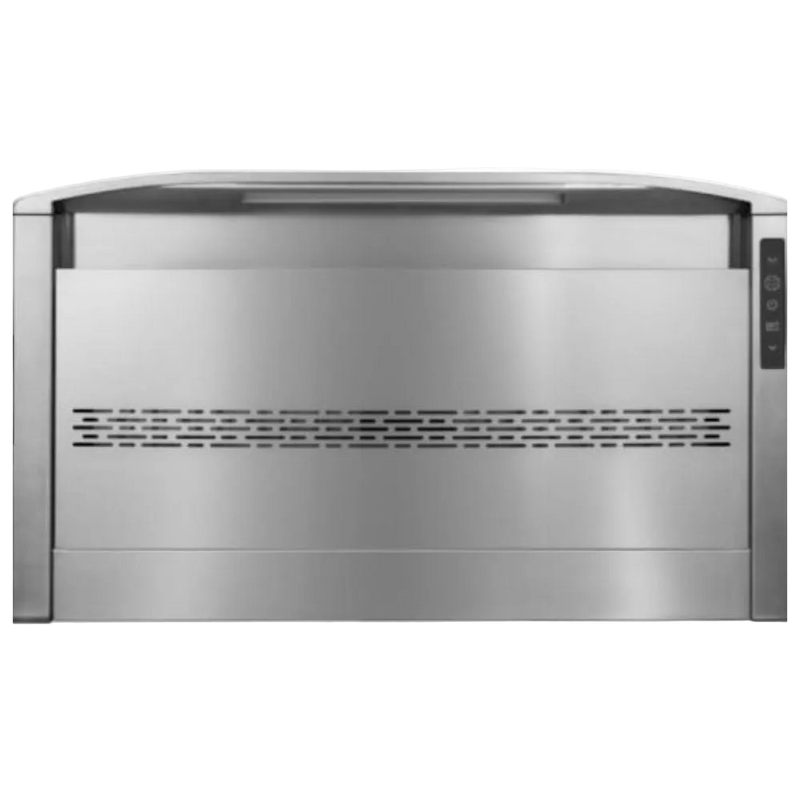
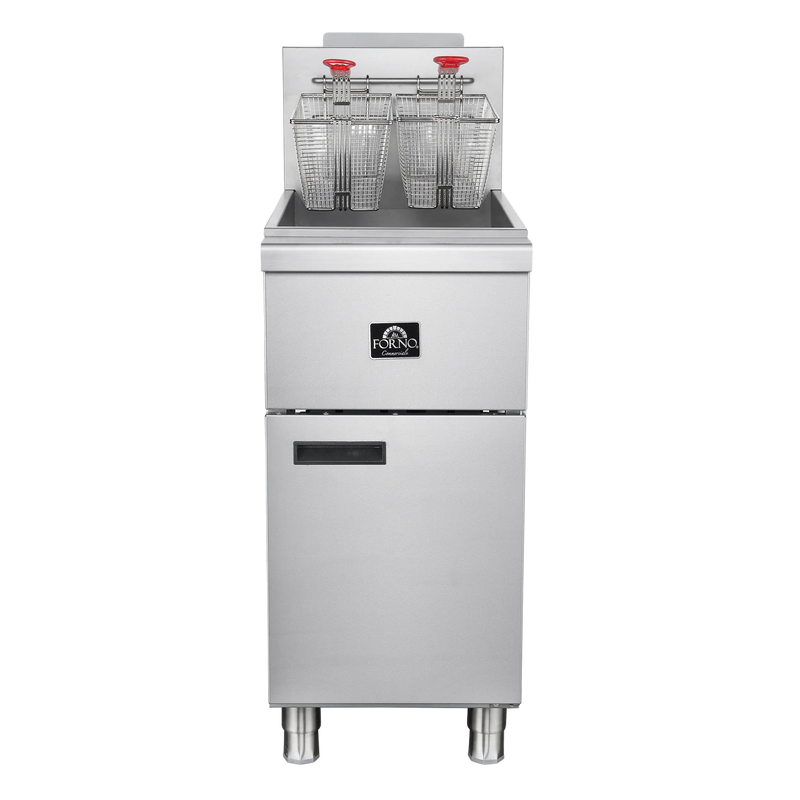
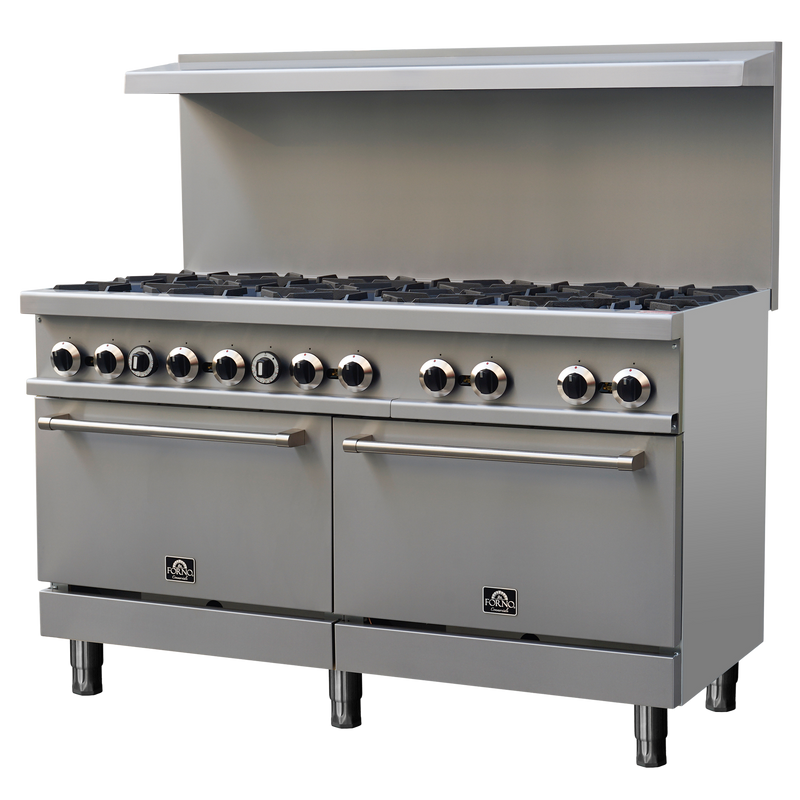
Appliances for Your Restaurant, there are several appliances that are essential for efficient kitchen operations and food service. Here is a list of some necessary appliances:   Refrigerators and freezers: These are needed to store and preserve perishable ingredients, prepared foods, and frozen products.   Ovens: You can choose from conventional ovens, convection ovens, or combination ovens, depending on your needs. They are used for cooking a wide variety of dishes such as meats, breads, and pastries.   Stoves and cooktops: These are fundamental for food cooking. You can choose between gas or electric stoves, depending on your preferences and requirements.   Deep fryers: They are ideal for frying foods such as French fries, empanadas, and other crispy items.   Grills and griddles: These are useful for grilling meats, fish, and grilling vegetables.   Microwaves: Although not exclusive to the kitchen, they are useful for quickly heating up prepared dishes and defrosting food.   Mixers and blenders: These are essential for mixing and blending ingredients. You can use them to make sauces, smoothies, purees, and more.   Coffee machines: If you plan to serve coffee, a coffee machine is indispensable. You can choose from automatic espresso machines, drip machines, or French press coffee makers, depending on your needs and service style.   Dishwashers: They will help you keep utensils and dishes clean and sanitized efficiently.   Exhaust hoods: These are necessary to maintain good ventilation in the kitchen and remove odors and smoke generated during cooking.   These are just some of the basic Appliances for Your Restaurant. Remember that the choice of appliances will depend on the type of cuisine you serve and the size of your establishment.

Bloggers' Appliance Corner

Simplify Your Home with the Latest Smart Appliances

Joseph Rimas.Jun 20, 2023
Smart Appliances can make life at home easier and more efficient. Here are some examples of how you can simplify your home with the latest smart appliances:   Voice Assistant: Devices like Amazon Echo or Google Home allow you to control various Smart Appliances simply by using voice commands. You can turn lights on and off, adjust the thermostat temperature, play music, and much more.   Smart Washer and Dryer: These Smart Appliances allow you to control and schedule washing and drying cycles from your smartphone. They can also automatically detect the type of load and adjust settings optimally, saving time and energy.   Smart Refrigerator: Smart refrigerators are equipped with touch screens and internal cameras that allow you to see the contents without opening the door. They can also send you notifications when food is about to expire or when you need to restock certain items.   Smart Oven: Smart ovens allow you to control and program the cooking of your food from your smartphone. Some models can even suggest recipes and automatically adjust the temperature and cooking time.   Robot Vacuum Cleaner: These intelligent robotic vacuum cleaners can clean your floors automatically without you having to do anything. You can schedule them to work at specific times or control them through a mobile app.   Smart Thermostat: A smart thermostat allows you to remotely control the temperature of your home and program adjustments according to your schedule and preferences. This can help you save energy and money on your heating and cooling bill.   Smart Lighting: With smart bulbs and lighting systems, you can control and program the lights in your home from your smartphone. You can adjust the brightness, color, and even create custom lighting scenes.   Remember that these are just some examples of Smart Appliances, and technology is constantly evolving. It's always a good idea to research and compare different brands and models to find the ones that best suit your needs and budget.

Bloggers' Appliance Corner

Tips for Making the Most of Your Appliances

Joseph Rimas.Jun 19, 2023
Here are some tips for making the most of your appliances: Read the instruction manual: Every appliance is different, so make sure to read the manual to understand how it works and how to get the most out of it. Clean regularly: Keep your appliances clean to ensure optimal performance. Follow the manufacturer's cleaning instructions and pay special attention to parts that come into contact with food, such as filters, trays, and rubber seals. Use appropriate settings: Learn how to use the different settings and functions of your appliances. For example, in the washing machine, use the appropriate program based on the type of load and level of dirt. In the oven, use the different cooking modes to achieve better results. Proper fridge loading: Organize your food efficiently in your fridge to optimize space and maintain a uniform temperature. Avoid overloading it, as this hinders the circulation of cold air. Take advantage of energy-saving features: Many appliances have energy-saving features, such as standby or automatic shutdown modes. Use them to reduce your energy consumption and save money on your bills. Schedule power on/off: If your appliances have the option to schedule power on and off, use it to have them turn on and off automatically at specific times. For example, you can program the washing machine to finish just when you arrive home. Perform regular maintenance: Check and perform the maintenance recommended by the manufacturer on your appliances. This may include cleaning filters, checking electrical connections, and lubricating moving parts. Avoid overloading appliances: Respect the load capacities and manufacturer's recommendations to avoid overloading your appliances. This will not only ensure better performance but also prolong their lifespan. Repair instead of replacing: In case of malfunctions, consider repairing your appliances instead of replacing them immediately. Repairs are often more cost-effective and can extend the life of the appliance. Remember to follow the specific recommendations of each appliance and use them according to their intended purpose and technical specifications.

Bloggers' Appliance Corner

How to Prevent food freezing in your refrigerator

Joseph Rimas.Jun 16, 2023
Prevent food freezing in your refrigerator, here are some measures you can take to prevent it Check the temperature: Make sure the temperature inside the refrigerator is set correctly. The recommended temperature is usually 3 to 5 degrees Celsius (37 to 41 degrees Fahrenheit) for the refrigeration compartment and -18 degrees Celsius (0 degrees Fahrenheit) for the freezer. Use a thermometer to measure the actual temperature and adjust the controls as needed. Avoid overloading the refrigerator: If the refrigerator is too full, the airflow can be obstructed, leading to ice formation. Make sure to leave enough space between the food items to allow for proper air circulation. Inspect the door seals: Ensure that the door seals are in good condition and seal properly. Worn or damaged seals can allow warm air to enter, causing ice formation. Regularly clean the seals with warm water and mild soap to keep them clean and flexible. Avoid placing hot foods: Do not place hot foods directly in the refrigerator as this can raise the internal temperature and lead to ice formation. Allow the foods to cool to room temperature before placing them in the refrigerator. Check the thermostat and controls: If the temperature inside the refrigerator is not consistently maintained, there may be an issue with the thermostat or controls. Check if they are functioning correctly and, if necessary, refer to the manufacturer's manual or contact a specialized technician. Regularly defrost: If ice has already formed in the freezer, it is important to regularly defrost it. Follow the manufacturer's instructions to properly carry out the defrosting process. Built-up ice can affect cooling performance and contribute to further ice formation. Keep air ducts clean: Ensure that the air ducts inside the refrigerator are not blocked by food or containers. Regularly clean these ducts to allow for proper airflow. If you follow these tips and the problem persists, it would be advisable to contact the authorized service center of the manufacturer for a more detailed inspection of the refrigerator.

Bloggers' Appliance Corner

How to maintain my electric oven | Regular cleaning

Joseph Rimas.Jun 15, 2023
Proper maintenance of an electric oven is crucial for its efficiency and longevity. It involves regular cleaning of the interior and door, checking and cleaning heating elements, and clearing ventilation openings. Following the manufacturer's instructions and seeking professional assistance when needed are essential for effective oven maintenance.

Bloggers' Appliance Corner

How to Get the Most Out of Your Washer and Dryer

Joseph Rimas.Jun 13, 2023
To get the most out of your washer dryer, here are some tips:

Bloggers' Appliance Corner

The benefits of having stainless steel appliances in your kitchen

Joseph Rimas.Jun 10, 2023
Having stainless steel appliances in your kitchen can provide several benefits. Here are some of them Durability: Stainless steel is a resilient and long-lasting material, which means your appliances will have a longer lifespan. They are less prone to damage, scratches, or corrosion, making them a long-term investment. Aesthetics: Stainless steel appliances often have a sleek and modern appearance that can enhance the aesthetics of your kitchen. The shiny finish and clean look of stainless steel can blend well with a wide range of decorative styles. Easy cleaning: Stainless steel is a non-porous material, meaning it is resistant to stains and does not absorb odors. This makes cleaning the appliances easier. With a damp cloth and a mild cleaner, you can easily remove stains and keep them in good condition. Hygiene: Stainless steel is a hygienic material as it does not support the growth of bacteria or other microorganisms. This feature is particularly important in the kitchen where food handling takes place. Stainless steel appliances are easy to clean and maintain germ-free. Corrosion resistance: Stainless steel is highly resistant to corrosion, making it ideal for the kitchen. It will not be affected by moisture, exposure to liquids, or temperature changes, which are common in the kitchen environment. Compatibility with other appliances: Stainless steel appliances are usually neutral and blend well with other appliances from different brands and styles. This gives you flexibility to upgrade or replace other appliances in the future without having to change the entire set. In summary, stainless steel appliances offer durability, attractive aesthetics, easy cleaning, hygiene, corrosion resistance, and compatibility with other appliances. If you are looking for a durable and stylish option for your kitchen, stainless steel can be an excellent choice.